Introduction
In today's busy construction environment, maintaining wall home builders are continuously developing to meet the needs of modern-day architecture and landscaping. The tools and innovations that these specialists utilize have actually undergone substantial improvements, allowing for higher effectiveness, toughness, and aesthetic appeal. Whether you're a homeowner looking to install a maintaining wall or a contractor looking for to enhance your abilities, understanding these innovative solutions is vital. In this article, we will delve into the latest tools and technologies used by contemporary retaining wall builders.
What is a Maintaining Wall?
Understanding the Concept
A keeping wall is a structure designed to hold back soil or rock from a building, structure, or area. These walls prevent erosion and develop level areas on sloped terrains. They can be found in numerous products such as concrete sleeper, wood sleeper, timber sleeper, and even stone.
Importance of Keeping Walls
Retaining walls play an essential function in landscape management. They not only provide structural assistance but also boost the visual value of outdoor spaces. House owners often look for professional services from retaining wall contractors to guarantee that their installations are safe and visually appealing.
Exploring the most recent Tools and Technologies Used by Modern Retaining Wall Builders
The Evolution of Retaining Wall Construction
Over the years, conventional approaches of building maintaining walls have actually developed significantly due to technological improvements. Builders now utilize various modern tools that improve precision and effectiveness in their work.
Advanced Surveying Equipment
One key advancement is in surveying devices. With tools like laser levels and total stations, retaining wall installers can attain precise measurements, which is critical for making sure that walls are level and stable.
Benefits of Laser Levels
- Accuracy: Offers extremely accurate leveling. Speed: Reduces time spent on manual measurements. Ease of Use: Easy setup allows for fast adjustments.
Innovative Product Managing Technologies
The handling of heavy materials like concrete sleepers or stone has improved significantly with new machinery such as forklifts and telehandlers. These devices decrease labor costs while enhancing safety on-site.
Advantages of Using Telehandlers
- Versatility: Can be used for multiple tasks beyond material handling. Reach: Efficient in raising products to greater elevations without extra scaffolding.
Key Products Utilized in Maintaining Walls
Concrete Sleepers: Sturdiness Satisfies Aesthetics
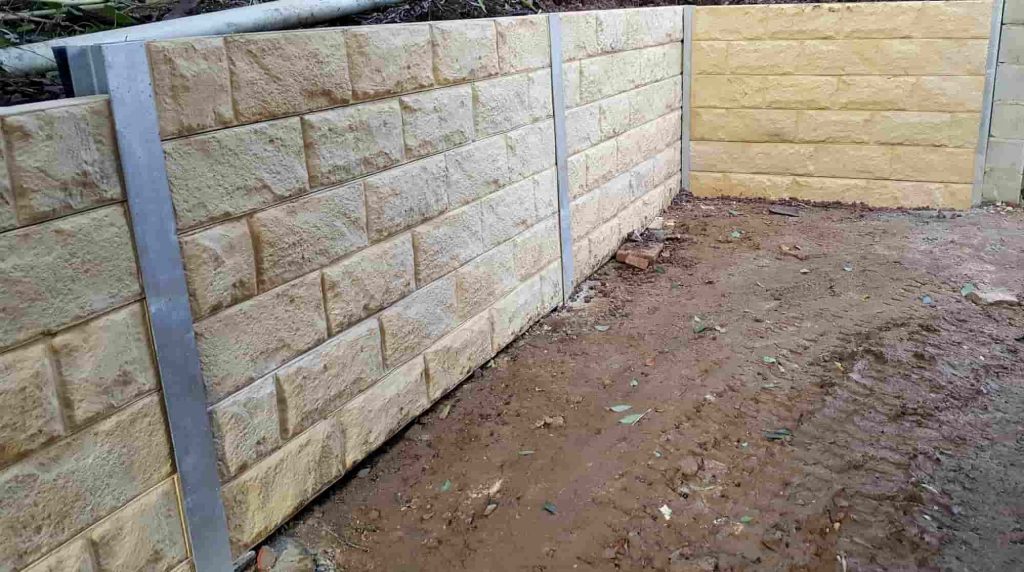
Concrete sleepers have actually turned into one of the most popular choices amongst modern contractors due to their strength and longevity. They provide both functional benefits as well as visual appeal.
Why Select Concrete Sleepers?
- They resist weathering better than wood or wood options. Available in numerous designs to match different architectural styles.
Wood vs Lumber Sleepers: Making the Right Choice
While wood sleepers are often favored for their natural look, they can deteriorate over time due to wetness. Wood sleepers provide increased resilience however at a greater cost.
Pros & & Cons Table:
|Material|Pros|Cons|| ------------------|-------------------------------------|------------------------------------|| Wood Sleeper|Natural look|Prone to rot|| Timber Sleeper|Long-lasting|Expensive|
Modern Style Strategies in Retaining Wall Construction
Utilizing 3D Modeling Software
Today's maintaining wall contractors frequently use sophisticated 3D modeling software for style functions. This innovation permits them to envision how various materials will look together before actual building and construction begins.
Features of 3D Modeling Software
- Real-time adjustments. Enhanced partnership in between clients and builders.
Green Structure Practices
Sustainable practices are becoming significantly essential in building. Modern retaining wall specialists frequently incorporate eco-friendly materials such as recycled concrete or sustainably sourced lumber into their projects.
Construction Tools That Make A Difference
Heavy Equipment: Excavators & & Backhoes
Heavy machinery plays an important role in preparing websites for maintaining wall setup. Excavators and backhoes are essential for digging trenches where walls will be placed.
Benefits of Utilizing Heavy Machinery
- Reduces manual labor requirements. Speeds up task timelines significantly.
Hand Tools: Never Underestimate Their Value
Despite advances in innovation, hand tools remain indispensable for fine-tuning installations. Tools like shovels, trowels, and mallets make sure precision during the lasts of construction.
Safety Procedures in Retaining Wall Construction
Ensuring Worker Security with Modern Gear
Safety gear has actually likewise developed with innovation; modern-day helmets geared up with communication gadgets enable workers to remain linked on-site while preserving security protocols.
Key Safety Equipment
- Hard hats with interaction systems. High visibility vests that boost employee presence on-site.
Risk Management Strategies
Identifying potential dangers early can conserve time and money down the line. Lots of professionals execute comprehensive training programs focusing on threat assessment methods customized particularly for retaining wall projects.
Case Research studies: Effective Retaining Wall Projects
Residential Project: A Backyard Transformation
A current domestic project involved transforming a sloped yard utilizing concrete sleepers created through 3D modeling software. The outcome was sensational-- a visually appealing yet practical area that fulfilled all client expectations!
Project Highlights
- Use of advanced equipment minimized labor costs by 30%. Implementation of sustainable practices caused minimal ecological impact.
FAQs About Retaining Walls
What kinds of products can be used for retaining walls?- Common materials include concrete sleepers, wood sleepers, timber sleepers, and stone.
- Look for experience, favorable evaluations, appropriate licensing, and insurance protection when choosing a contractor.
- Yes! Regional building regulations may dictate height limits or material restrictions for maintaining walls; constantly consult regional authorities before beginning construction.
- While DIY is possible for those with experience, it's suggested to speak with professionals if you're not sure about any aspect of the project.
- Installation timelines vary based upon size however usually range from one week to a number of weeks depending on complexity.
- Regular inspections are important; check for cracks or signs of motion periodically.
Conclusion
In summary, exploring the most recent tools and technologies used by contemporary retaining wall home builders reveals a market dedicated to innovation while focusing on safety, performance, and sustainability. From advanced surveying instruments like laser levels to eco-friendly structure practices involving sustainable products like timber sleepers or recycled concrete-- each advancement serves not just functionality however also aesthetics most importantly essential in today's architectural landscape. As homeowners become more aware of these developments, collaborating with experienced contractors becomes vital-- ensuring that every project satisfies high standards while sticking firmly within budget constraints without compromising quality!
Whether you're trying to find support from a skilled retaining wall installer or planning your next home improvement job yourself-- staying informed about these developments will empower you every action along your journey!